Luxury perfumes are more than just fragrances—they are a form of olfactory art. The creation of a high-end scent is a meticulous, multi-stage journey involving rare ingredients, masterful blending, and sophisticated packaging. Here’s an in-depth look into how luxury perfumes are made:
1. The Art of Scent Design
a. Concept Development
The process begins with a vision or concept. This could be inspired by nature, memories, moods, art, or places. Creative directors, perfumers (also called “noses”), and brand teams collaborate to define the theme, target audience, emotional tone, and uniqueness of the fragrance.
b. Brief to the Perfumer
A detailed brief is sent to a master perfumer, outlining:
The story or inspiration
Target gender (if any)
Desired longevity and projection
Specific ingredients or notes to include/exclude
Market positioning (e.g., niche, heritage, modern, etc.)
2. Sourcing Rare and Precious Ingredients
a. Natural Ingredients
Luxury perfumes often use natural, ethically sourced raw materials, such as:
Oud (from agarwood trees)
Rosa Damascena (Bulgarian or Turkish rose)
Jasmine Grandiflorum (India)
Sandalwood (Mysore sandalwood or sustainable Australian variants)
Civet, ambergris, or musk (animalic scents, now mostly synthetically replicated)
b. Synthetic Molecules
High-end perfumery also embraces lab-created aroma molecules to:
Enhance longevity
Add uniqueness
Imitate banned or endangered natural ingredients (like real musk or ambergris)
c. Sustainability & Ethics
Today, most luxury houses invest in sustainable sourcing, fair trade, and traceability, using suppliers certified for environmental and ethical practices.
3. Perfume Composition
a. Creating the Formula
The perfumer blends top, middle (heart), and base notes to form the fragrance pyramid:
Top Notes: Citrus, herbs, or light florals—immediate and short-lived
Heart Notes: Florals, spices—core personality of the scent
Base Notes: Woods, resins, musks—deep, lasting foundation
b. Balancing and Refining
Multiple iterations are created—called mods—to refine balance, sillage (trail), and harmony. This can take months to years of development.
4. Maceration & Aging
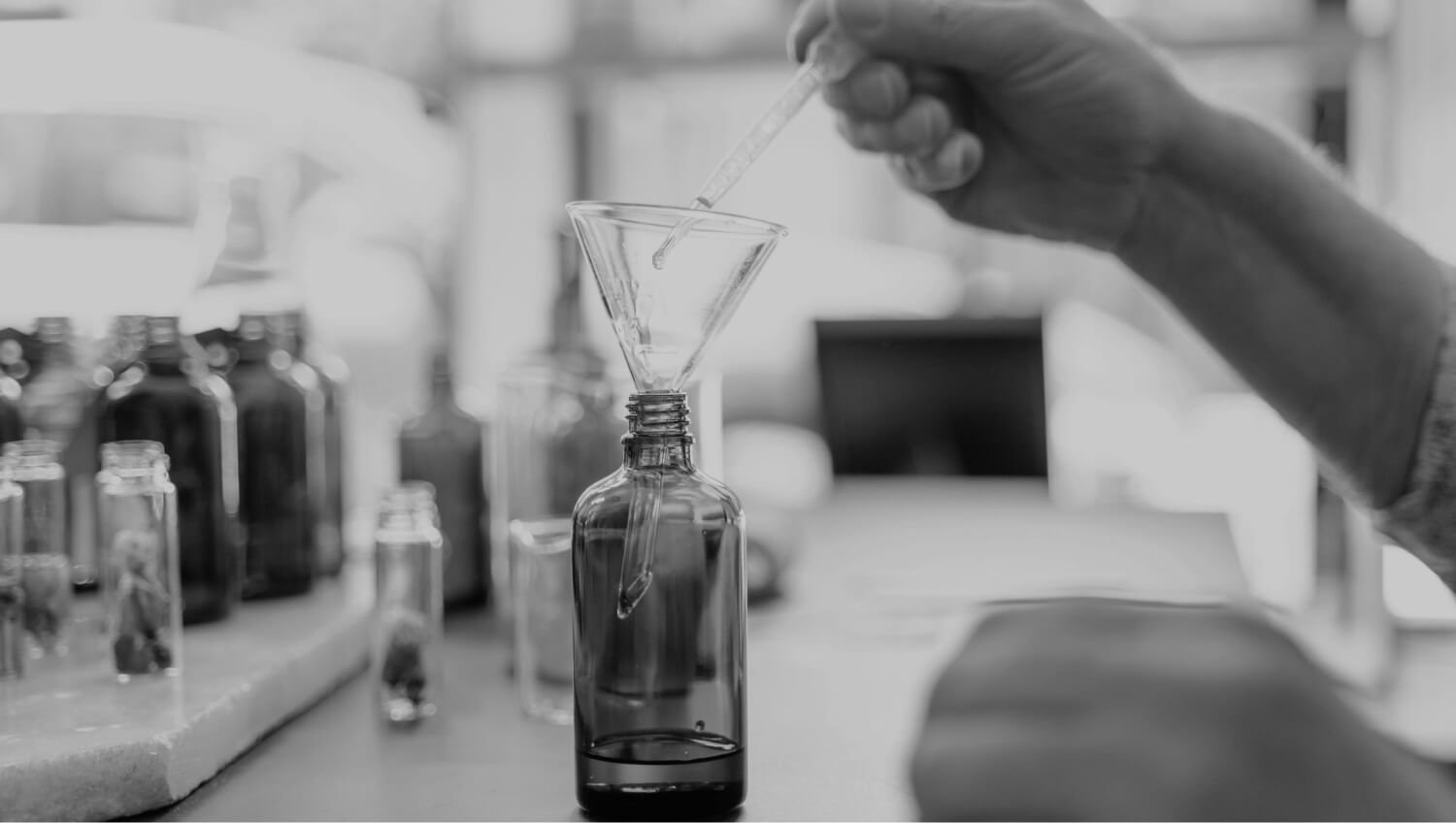
After finalizing the formula, the perfume is blended in alcohol (usually ethanol) and goes through a process called maceration:
The blend is stored in temperature-controlled conditions
It “rests” for weeks to months
Ingredients meld together, improving depth, clarity, and longevity
Following maceration, the fragrance may be filtered to remove impurities or sediment.
5. Bottle Design & Packaging
a. Bottle Design
Luxury perfume bottles are often custom-designed as collectible pieces:
Made of fine glass or crystal
Designed by top artists or fashion houses
May include hand-crafted elements (gold plating, hand-painted details, etc.)
b. Packaging
Premium perfumes are often packaged with:
Foil-stamped boxes
Satin linings
Certificates of authenticity
The outer packaging reflects the brand’s heritage and elegance.
6. Quality Control & Regulatory Testing
Before release, the perfume undergoes:
Stability tests (light, temperature, and time)
Dermatological testing (safety on skin)
IFRA compliance checks (International Fragrance Association guidelines)
Batch testing to ensure consistency
7. Bottling and Distribution
Finally, the scent is poured into bottles in sterile environments:
Batch numbers are printed for traceability
Bottles are hand- or machine-packed with utmost care
Sent to exclusive boutiques, department stores, or direct to consumer
Some ultra-luxury lines are only available in limited editions or by appointment.
8. Launch & Storytelling
The last part of the journey is storytelling:
High-end ad campaigns
Short films, artistic visuals
Celebrity ambassadors or niche positioning
Showcased in flagship stores, fashion weeks, or private fragrance events
Conclusion
Creating a luxury perfume is a labor of love—requiring science, art, culture, and craftsmanship. Each bottle is the result of global collaboration, from rare flower fields to the hands of a skilled perfumer, finally resting in a bottle that’s both a scent and a story.
The scent is always unique to you!

Leave a reply